
North Ridgeville Previous Residents by Era
Previous residents of a North Ridgeville address are found through a sequence of records, not a single roster. The strongest starting layer is the county parcel record because it supplies the permanent parcel number, or PPN, which ties the physical site to the tax record and deed trail. From there, the correct historical source depends on the period. The Recorder preserves instruments, the Records Retention Center holds tax-duplicate microfilm, the library holds historical research material, and the Probate Court can add estate or marriage context. Each item answers a limited question and should stay connected to its date.
| Source | Years it covers | Where held | What it adds |
|---|---|---|---|
| Auditor Tax Duplicates | 1824 onward | Records Retention Center microfilm | Assessed-owner and property chronology. |
| Recorder PAX | No verified online start year | Account portal and Recorder counter | Recorded instruments and title-chain parties. |
| Probate Court records | 1824-present; online since 1990 | Probate counter and online search | Estates, heirs, marriage, and probate links. |
| LPLS vital microfilm | Birth 1867-1908; death 1867-1889; marriage index 1824-1884 | Main Library Special Collection | Event dates and spelling clues. |
| Federal census | Local access through 1930; in-library access through 1940 | LPLS and Ancestry Library Edition | Household context for a dated era. |
| Directories and county books | Specific titles only | LPLS and Lorain County OGS | Address and name clues after volume inspection. |
City permits, Planning files, and Board of Zoning and Building Appeals materials can add a construction or project chronology when a defined file is requested by address, PPN, and date range. No verified public historic permit index was found. A Sanborn catalog route exists nationally, but no North Ridgeville sheet or year was verified, so it should remain a catalog question rather than a claimed local source.
North Ridgeville Records Begin With PPN
For a North Ridgeville previous residents search, use the Lorain County Auditor Custom Search to move from an address to the PPN, situs, legal description, current owner, sales references, and property context. The Auditor landing page offers Parcel, Owner, and Address modes. An address is a convenient entry point, while a parcel number is the more stable bridge when a street format, unit format, or postal label changes. Keep the legal description beside the PPN because older deeds can be indexed by lot, subdivision, or metes-and-bounds wording rather than a familiar street address.
The parcel card separates the taxable location from Deeded Owner Address and Tax Payer Address. Those mailing fields can match the situs, but they can also belong to a trust, estate, relative, business, or other recipient. The card may also show sales date and price, buyer, seller, instrument or document number, valuation, acreage, tax district, neighborhood, credits, exemptions, and building details. It identifies property evidence, not all occupants or a complete household.
An example from the Lorain County Auditor property-record interface shows the kind of dated parcel context that should stay separate from a household conclusion.
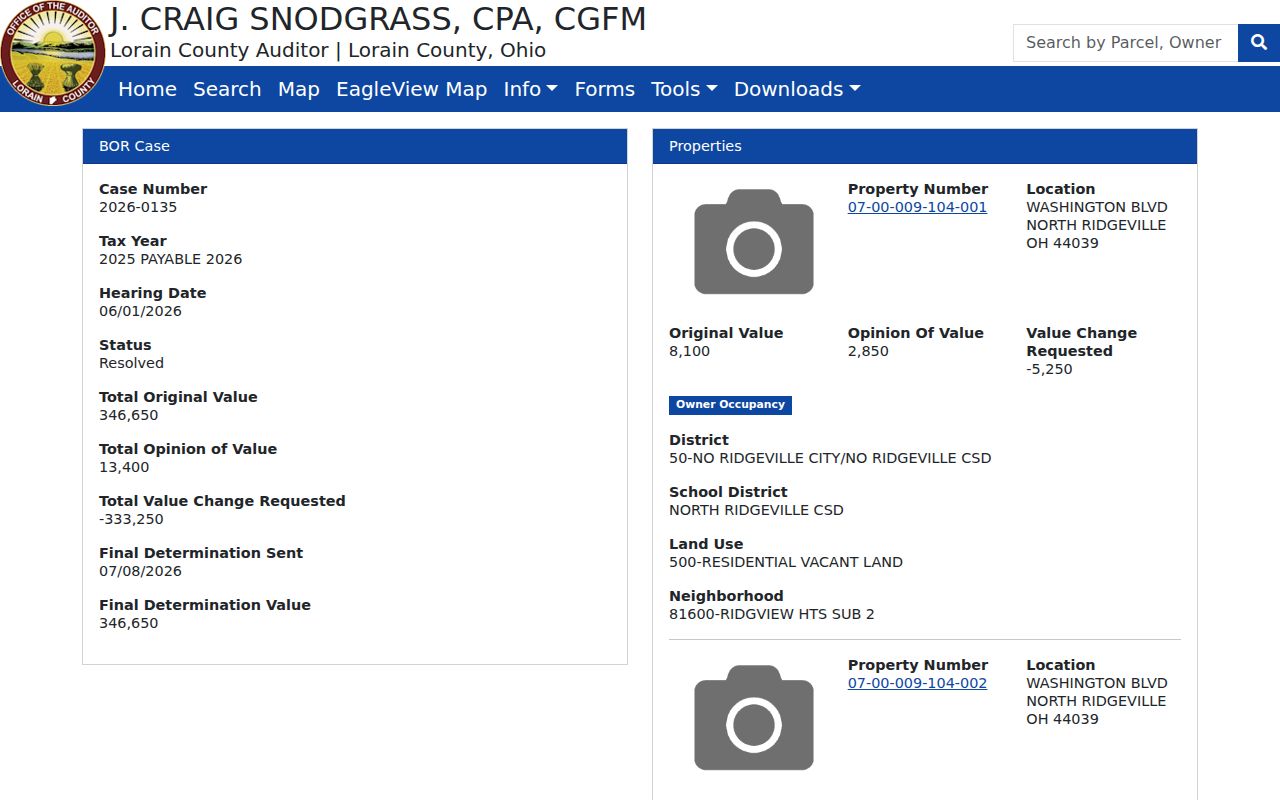
Copy the PPN, legal description, and instrument reference from the relevant parcel record before moving to the recorded-document trail.
Note: A deeded-owner or tax-bill mailing field is not proof that a person physically lived at the North Ridgeville property.
North Ridgeville Records Deed Chain
The backward deed trail starts with the current parcel, not a broad name search. Take its legal description, sales reference, and acquisition information to Recorder PAX. The official PAX route requires account creation, login, and acceptance of the portal disclaimer. It supports name searching, date restrictions, instrument searching, legal filters, Book and Page fields, and an image viewer reached from a selected result. Its public guide does not publish a verified online coverage beginning year, so an empty web result is not proof that the deed does not exist.
The official Recorder PAX property search is the recorded-instrument interface used after a North Ridgeville parcel reference is identified.
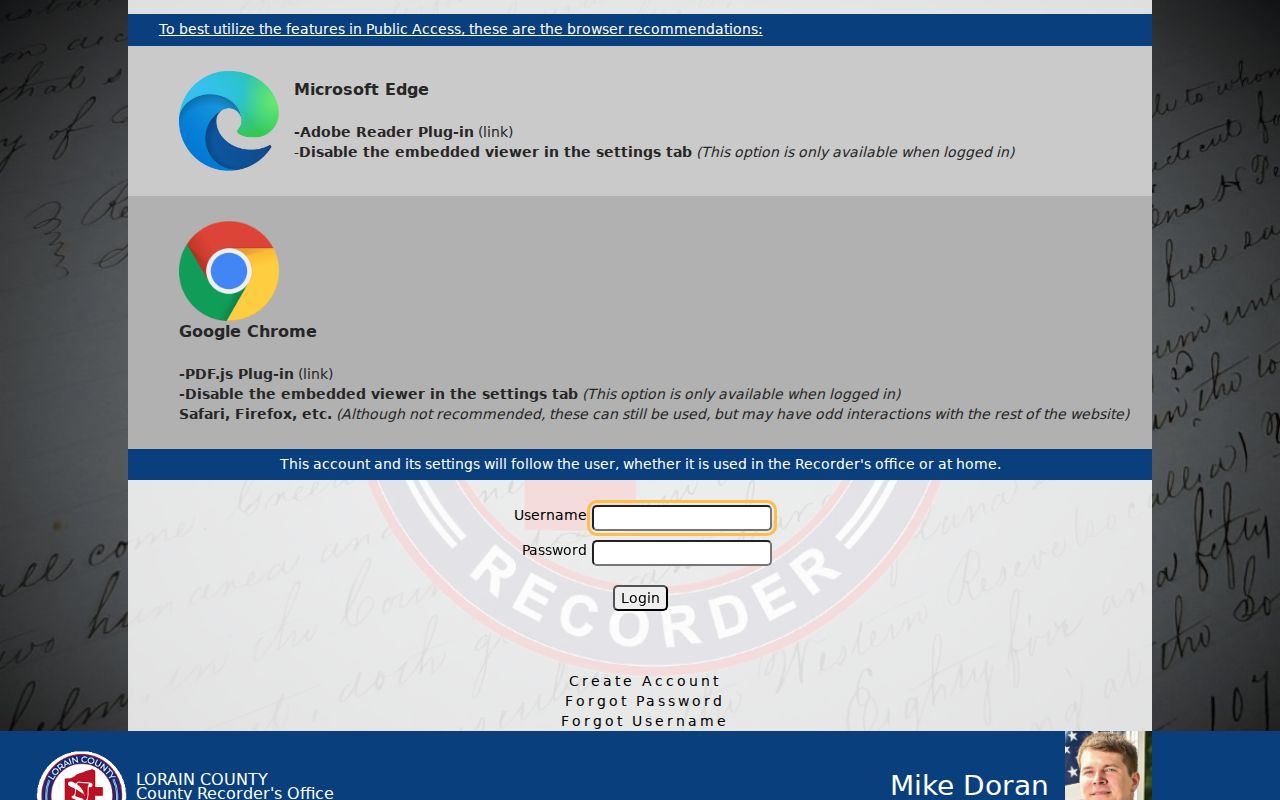
Search terms should follow the selected parcel sale record and legal description, rather than attempting to turn a street name into a complete resident roster.
- Search the current physical address in the Auditor system and save the PPN, legal description, current owner, sale history, and instrument reference.
- In PAX, use the party name with the recorded date, Instrument ID, Book and Page, or legal filter supplied by the parcel sale entry.
- Open the instrument image when access permits and record the grantor, grantee, recording date, document reference, and exact legal description.
- Use the seller from that acquisition as a prior grantee, then repeat while checking the lot, subdivision, PPN, or legal-description continuity.
- When the web result trail cannot reach the needed date, ask the Recorder which books, tract or grantor-grantee indices, microfilm, or terminal sources cover the period.
- Grantor
- The party transferring an interest in the recorded instrument.
- Grantee
- The party receiving an interest in the recorded instrument.
- Chain of title
- The ordered sequence of recorded transfers connected by parties and the same property description.
- Legal description
- The lot, subdivision, metes-and-bounds, or other formal property wording that can remain useful when a street label changes.
The Recorder's PAX guide documents the available search modes and result navigation. A deed party may be an owner in a transfer, but it does not establish every past resident at the address.
North Ridgeville Records Beyond PAX
When the PAX web trail stops, keep the address, municipality, PPN, legal description, and earliest known owner together and use the counter fallback. The Lorain County Recorder preserves official real-estate transaction records, and the library genealogy guide reports Recorder and Auditor records reaching back to the county's 1824 organization. That county-held history does not state when online images begin. Ask the Recorder about the specific period and original books or indices instead of treating a portal miss as a final answer.
The Lorain County Records Retention Center adds a particularly useful layer: Auditor Tax Duplicates on microfilm date from 1824. Its house-history guidance asks researchers to bring the city or township, address, PPN, and a known early owner. Tax duplicates can show an assessed-owner chronology and help test whether a title chain remains on the same property. They are not a legal title opinion and should be reconciled with recorded instruments.
The Records Retention Center's FAQ is the documented counter route for North Ridgeville previous residents research when historic tax material is needed.
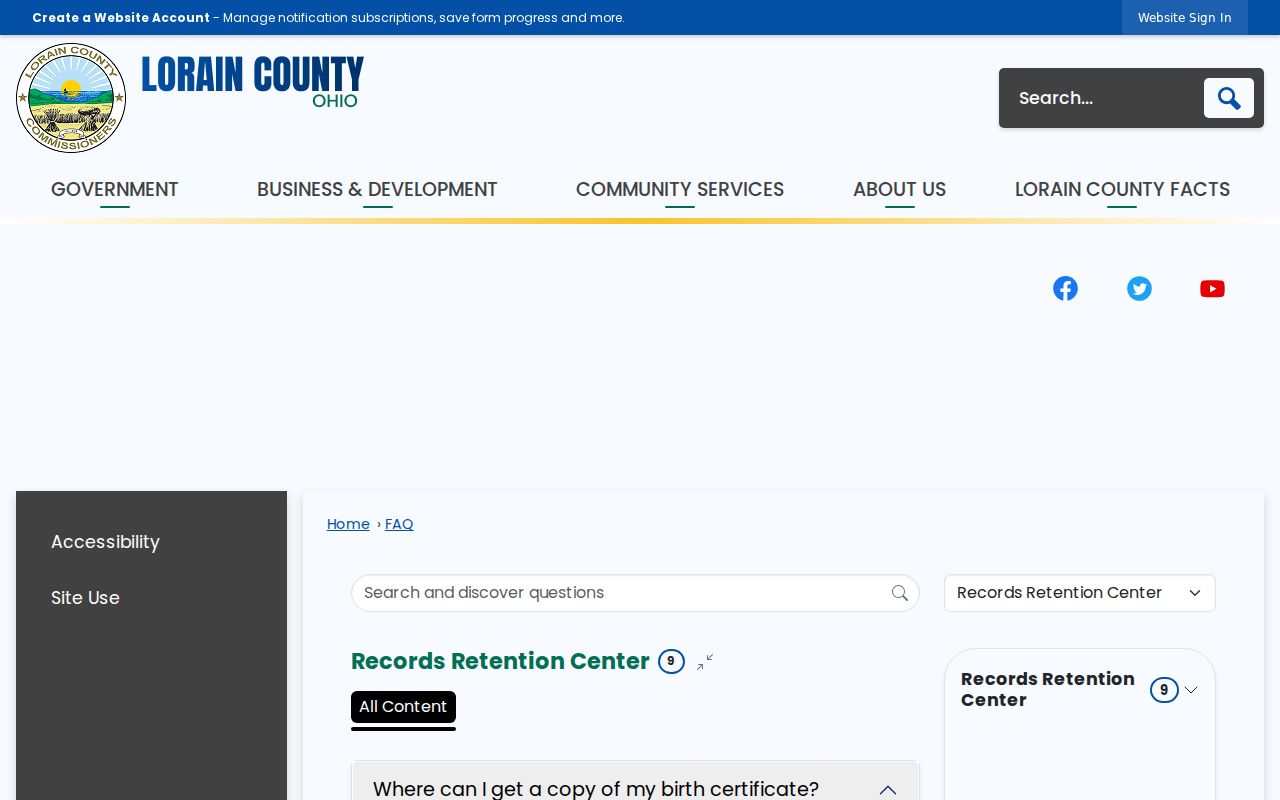
Bring the compact record trail rather than asking staff to reconstruct an entire house history from a street name alone.
North Ridgeville Past Residents in Directories
Previous residents and past owners are not always the same people. After the title and tax layers set the time and property, search the historical household layer through LPLS and the Lorain County OGS. LPLS holds most former Lorain city directories from 1903, but it expressly says other Ohio-community holdings are incomplete. LCOGS lists county and rural titles with specific years. No continuous North Ridgeville directory series or address-ordered run was verified. Inspect the exact volume before treating a name or address as evidence for the property.
For the collection details and safe entry-reading method, use the North Ridgeville directory book. A printed directory can supply voluntary name, address, or telephone clues. It should then be compared with the next and prior volume, an assessment or deed record, and a census schedule. An absence in one book can reflect an omitted voluntary entry, a changed spelling, a move, or a title that did not cover the community.
LPLS Adult Services accepts a specific local-history or genealogy question in person, by email, or by mail when the likely answer is in local microfilm or Special Collection print. It will not build a complete family tree or conduct a general database search. A narrow event date, week, or year gives staff a usable scope.
North Ridgeville Records Census Flow
Pair a directory or county-book year with the nearest released federal census to test the household layer of a North Ridgeville address. LPLS has Lorain County census microfilm through 1930 and in-library Ancestry Library Edition access through 1940. The 1950 census is the latest released decennial schedule under the federal 72-year rule. The 1890 schedule loss is a real gap, so a tax duplicate, directory, newspaper, marriage index, or Probate file may provide the bridge for that decade.
Use a short evidence flow: address and PPN, then parcel sale and legal description, then recorded instrument, then tax duplicate, then directory or census for the matching era, followed by an obituary, cemetery, marriage, or Probate record when the timeline points to a death or estate. The LPLS Special Collection holds marriage index material for 1824-1884 and applications for 1872-1901, birth material from 1867-1908, and death material from 1867-1889. These sources anchor events and spelling, but they do not create a current-address claim.
For an obituary request, LPLS asks for the decedent name, death date, Ohio Obituary Index citation if known, mailing address, and optional email for image delivery. Its first five black-and-white printouts are free, with later pages at $0.10. The library does not accept those requests by phone. Probate records are available from 1824, with online probate records since 1990, through the Lorain County Probate search and counter.
North Ridgeville Records Need Old Names
Records geography changes the way a house-history trail should be searched. Historical sources use Rootstown for the early settlement, Ridgeville Township for early governmental and geographic records, Ridgeville after 1813, and North Ridgeville after the 1829 name change. Lorain County was organized in 1824. For the 1820 census, LPLS directs researchers to Huron, Medina, and Cuyahoga county records because Lorain County had not yet been incorporated. The 1810 Ohio census was destroyed by fire. These circumstances are missing-record explanations, not evidence that a household never existed.
The historical name sequence should travel with every directory, tax, newspaper, cemetery, and census search. Five local ridge names, Sugar, Chestnut, Butternut, Stoney, and Center, also provide useful place vocabulary when a source describes a ridge road rather than a modern address format. Preserve the wording and date supplied by the record, then compare it to the county and municipal timeline before declaring an address or family reference inconsistent.
Note: A North Ridgeville address can require a Rootstown, Ridgeville Township, or Ridgeville search term for an earlier record.
North Ridgeville Records, Lawful Use
House-history research has a clear purpose when it traces a property, family connection, estate question, or historical event through records held by the appropriate custodian. Keep the work focused on the source's actual function. A parcel card establishes tax and property context. A recorded instrument identifies transfer parties. A historical directory or census can add a dated household clue. None of those sources supplies permission to pursue, monitor, or contact a living person.
Lawful use. Use North Ridgeville historical records for family, estate, property, or local-history research, and never use personal details to stalk, harass, or harm anyone.
The City Clerk, Building Division, Recorder, Records Retention Center, Probate Court, and library each accept different focused requests. For a city file, state the address, date range, record series, meeting body, and any permit, ordinance, resolution, or case number already known. Ohio's Public Records Act gives access to existing non-exempt records; it does not require a public office to compile a new list of people for an address.